Euro-visionary: How hair and makeup take centre stage for prime points
As the Eurovision Song Contest 2026 Grand Final approaches, we dig into the looks behind the hooks with Capital City College (CCC)’s Hair and Media Makeup Lecturer Debra Pluthero.
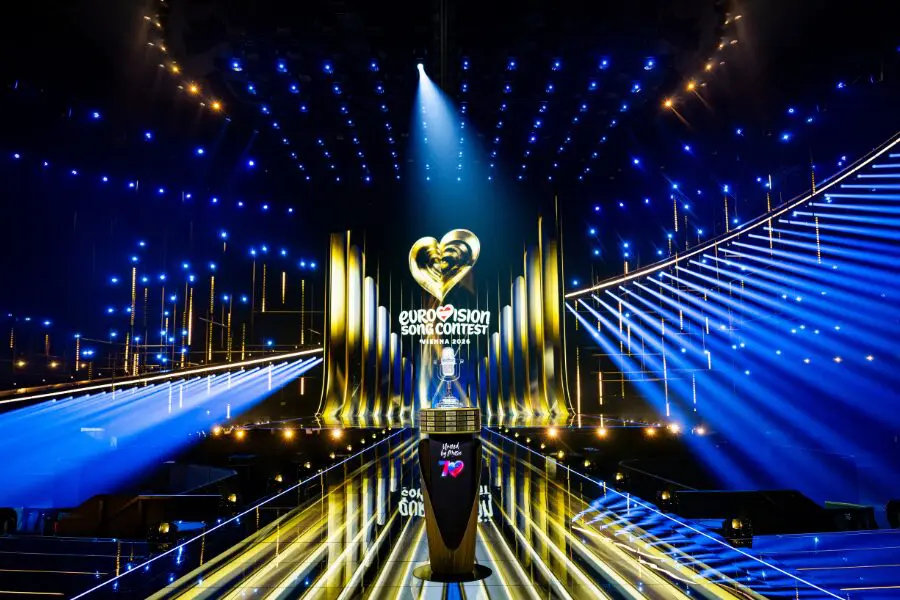
The Grand Final of the Eurovision Song Contest 2026 will take place in Vienna on Saturday 16 May. The seventieth edition of the international competition aims to celebrate music, creativity and connection.
With 25 acts in the Grand Final vying for the coveted Eurovision crown, each nation’s creative teams have worked tirelessly over the past few months to put together elements of staging, costume, hair and makeup – all carefully curated to make their performance stand out. We spoke to CCC’s Debra Pluthero, Lecturer in Hair and Media Makeup, to find out more about the process behind creating these iconic on-stage looks and the skills they require.
What the artists wear on stage really sets the scene for their whole performance. There have been some really distinctive Eurovision storytelling performances, from Alexander Rybak’s lyrical “Fairytale” (2009, Norway) to the out-there engineering in Kate Miller-Heidke’s “Zero Gravity” (2019, Australia). The UK’s 2026 entry LOOK MUM NO COMPUTER is no exception, with furry headgear, enormous synthesizer panels and brightly-coloured boiler suits telling the story of an office worker escaping desk-life.

The final looks we see at Eurovision are often a big part of the song’s story. How does that evolve?
Debra: Storytelling is really important. You need to see the outfits and understand the brief and work with the designer to create the best hair and beauty look on stage. It has to develop and it’s quite an involved process. It’s more than just fashion – you’re bringing stories to life.
There are some winning Eurovision looks that we all remember – whether it’s Loreen’s nails (“Tattoo”, 2023, Sweden) or Måneskin (“Zitti e buoni”, 2023, Italy) and their impeccably tousled manes. How much work goes into creating the looks for big shows like Eurovision?
Debra: It’s a lot. Right now our students are actually preparing now for their end of year project. For the final show, our students are taking on the brief of “sirens”, which is really fun, and they’re doing everything from hair and makeup to nails. They’re really being creative – it’s incredible to see what they’re doing.
Finland’s 2006 energetic winning entry “Hard Rock Hallelujah” by Lordi was a celebration of hell-raising hair and monstrously good makeup. What hair and beauty skills do students learn on your courses?
Debra: They do theatrical media and special effects, makeup and wigs. Fashion obviously runs throughout the programme, but they do a lot more than just fashion. They work with a brief and learn the foundation and the practicalities of what it takes. For example, our Theatrical Special Effects, Hair and Media Make-up – Level 3 Diploma students have just done a prosthetic element, and they also worked with a green screen to see how it works for TV and film.
Eurovision winners have gone on to become activists, actors and international stars of the stage and screen, but it all starts with that spark of inspiration, determination and hard work. What do your students go on to do?
Debra: A lot of students here go and do fashion, hair and beauty shows. We visit brands like Charlotte Tilbury and NARS with the students and help them develop and learn. Some students want to do fashion editorial, while others may go on to work on major events like Eurovision. So it’s really about helping them grow.
Finally, Eurovision singers are often viewed as one-hit wonders, but many go on to have highly successful careers traversing multiple genres. What’s a common misconception about the hair, beauty and media makeup industry?
Debra: I think the top misconception is that it’s easy to get into. It’s not easy, and people need to exercise and learn time management, preparation, attention to detail and planning skills.
If you’re interested in setting the stage alight with your hair, beauty and makeup skills, then take a look at our Hairdressing, Beauty Therapy and Aesthetics courses.
For those looking to craft creative costumes, check out our Art, Design and Fashion courses. And if you want to be the one penning the tune or even holding the mic, why not consider one of our Music and Music Production courses.
King’s Cross
London
WC1X 8RA
United Kingdom Contact Us